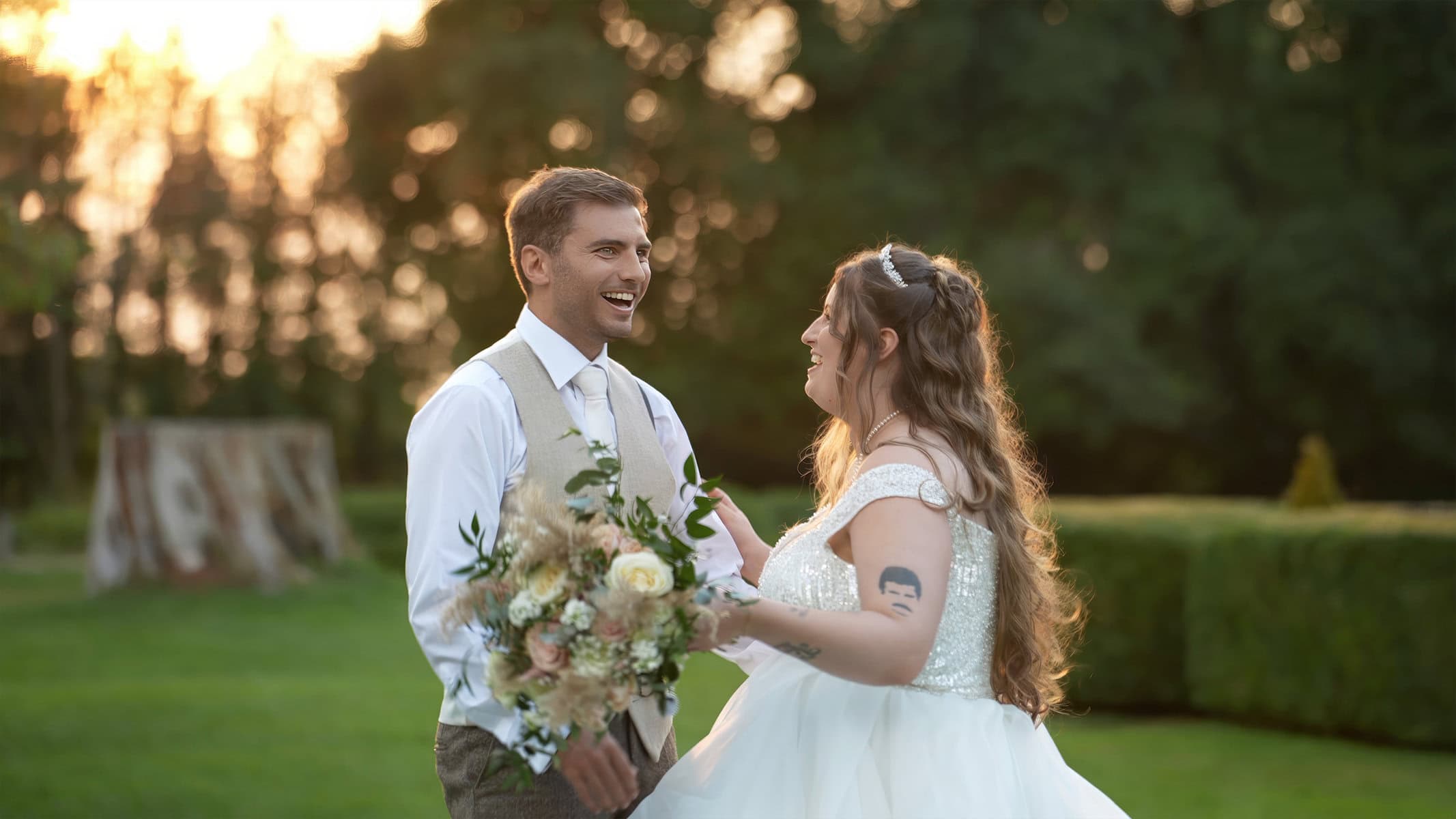
How long should wedding photography coverage last? For many weddings, 8 to 10 hours is the practical range. But the better answer depends on which parts of the day matter most to you, how many locations are involved, and whether you want images of the final dance or exit.
TL;DR: Choose coverage by the wedding-day phases you want photographed, not by package labels alone. Around 4 to 6 hours can suit an elopement, micro-wedding, or ceremony-centered celebration. Eight hours often covers the ceremony through early reception. Ten to 12 hours is safer when you want preparations, a first look, travel between venues, a long ceremony, late-night dancing, or a grand exit.
Build Coverage Around the Phases of Your Day
Wedding photography coverage is the continuous period a photographer is booked to document. It is not simply the ceremony length plus a few portraits. It includes the time needed to arrive, photograph meaningful transitions, move between locations, organize group photos, and wait for events that run later than planned.
I would start with the question: Which chapters of the day would feel incomplete if they were not photographed? Your answer creates a more reliable starting point than choosing the cheapest package that sounds close enough.
The six phases that use photography time
Most wedding timelines can be divided into six blocks. You may not need every block, but each one affects the hours you should book.
| Wedding-day phase | Typical photography needs | What happens if it is excluded |
|---|---|---|
| Preparations | Details, hair and makeup finishing, dressing, cards, candid family moments | The story begins close to the ceremony rather than with the anticipation beforehand |
| First look and portraits | Private reveal, couple portraits, wedding party photos | Portrait time shifts after the ceremony, which can reduce cocktail-hour time |
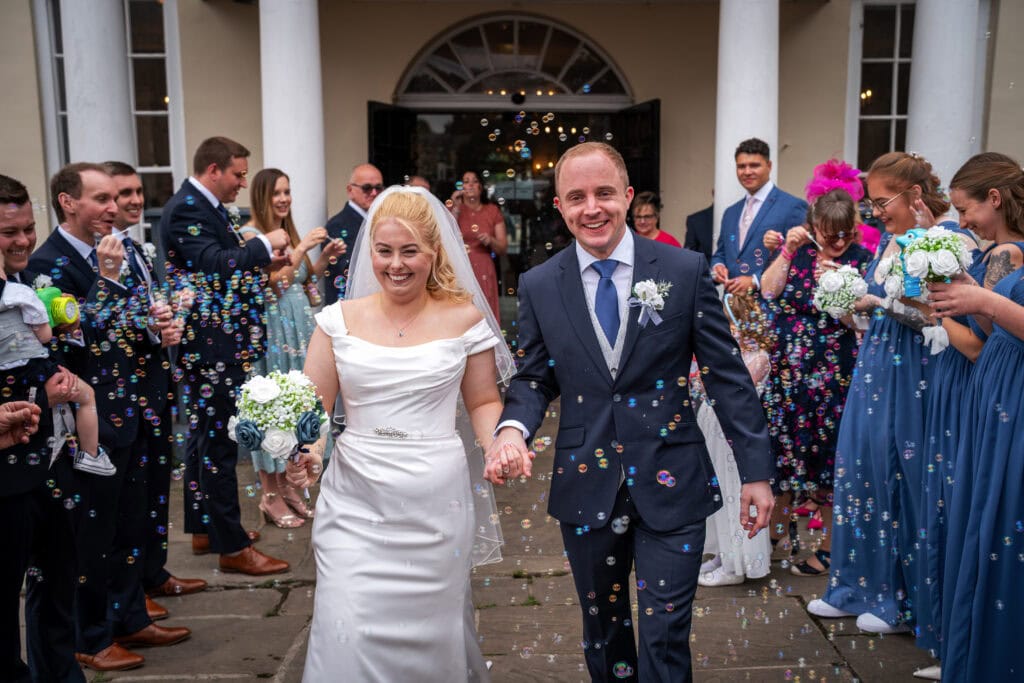
| Ceremony block | Guest arrival, ceremony, signing, confetti, greetings | The central legal or symbolic moment is covered, but little context may surround it |
| Family formals | Group photographs with immediate family and key guests | Rushed lists can create stress or keep guests waiting |
| Reception opening | Room details, entrances, speeches, meal atmosphere, cake cutting | You may miss the transition from formal wedding to celebration |
| Dancing and exit | First dance, parent dances, party energy, sparkler exit or farewell | The gallery ends earlier, often before the liveliest candid moments |
Preparations are not just “a few detail photos”
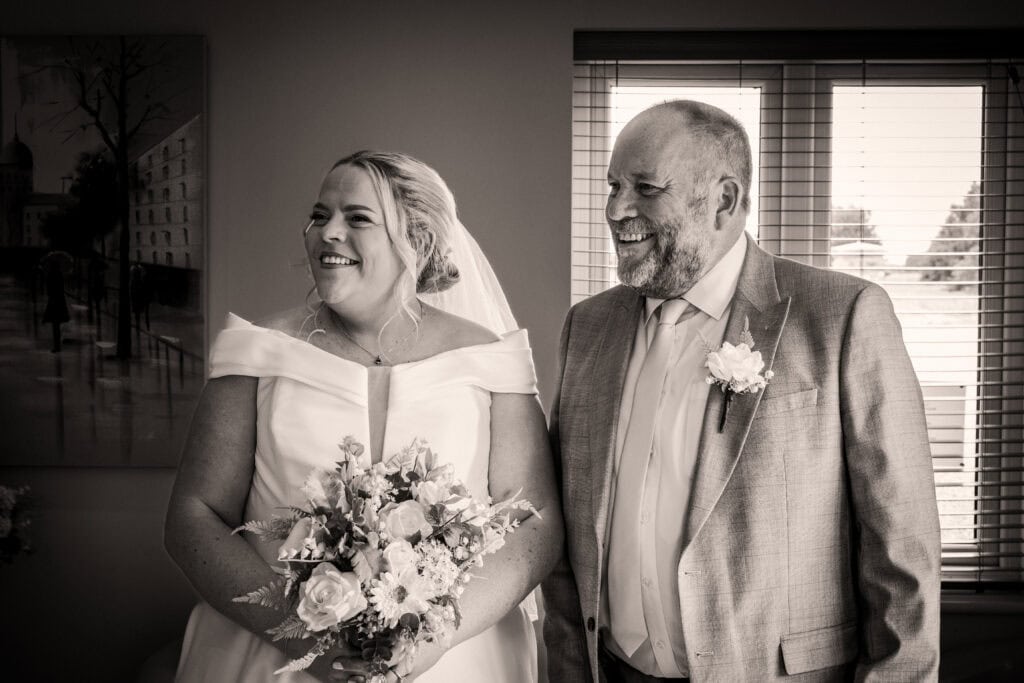
Getting-ready coverage is often the deciding factor between eight and 10 hours. It can include clothing, rings, invitations, flowers, final makeup touches, parents seeing their child dressed, and the quiet few minutes before leaving for the ceremony.
The challenge is that preparations frequently happen in two rooms, two hotel suites, or two different locations. One photographer can document both only if the schedule and distance allow it. A second photographer may be more useful than an extra hour when both partners want simultaneous preparation coverage.
A ceremony block includes more than the vows
A short civil ceremony may take 15 to 30 minutes, while a religious ceremony can approach an hour or extend longer when it includes readings, rituals, music, or a receiving line. The actual ceremony is only one portion of the block. Arrival images, processional moments, signing paperwork where permitted, confetti, and post-ceremony hugs all need time.
A 20-minute ceremony does not automatically mean you only need a short package. If it is followed by travel, 50 family combinations, and a reception across town, the surrounding logistics still shape the coverage requirement.
Work backward from the last photograph you want
The simplest planning method is to set the desired final image first. That might be the first dance, ten minutes of open dancing, a cake cut, or a late-night exit. Then work backward through the required phases until you reach the first image you want.
For example, if the first dance is at 8:30 p.m. and you want 90 minutes of preparation coverage beginning at 11:00 a.m., you already need at least 9.5 hours before adding travel or delay buffers. That is a 10-hour booking, not an eight-hour booking, even if the ceremony itself lasts only 30 minutes.
Choose the Right Number of Hours
There is no universal industry standard that guarantees the right fit. Still, common coverage ranges are useful once you match them to the actual structure of your celebration. Eventic’s wedding photography hours calculator frames planning across roughly 4 to 12-plus hours depending on wedding type and complexity, which reflects how widely timelines can vary.
What 4 to 6 hours usually covers
Four to six hours is usually best for an elopement, micro-wedding, courthouse ceremony, brunch reception, or a small gathering held at one venue. It can cover the ceremony, couple portraits, a modest family-photo list, and the beginning of a meal or reception.
This range works when the day is genuinely compact. It is not simply a discounted version of a full wedding day.
| Coverage length | Best fit | Usually included | Common trade-off |
|---|---|---|---|
| 4 hours | Elopement or ceremony-focused event | Ceremony, portraits, small family list | Little room for preparations or a meal reception |
| 6 hours | Micro-wedding or short local wedding | Ceremony, portraits, greetings, early reception | The photographer may leave before speeches, dancing, or sunset |
| 8 hours | Streamlined full wedding | Core portions of the day through early reception | Limited flexibility for long preparations or an exit |
| 10 hours | Full story from preparations to reception | Longer preparations, first look, speeches, dances | May still end before a very late exit |
| 12 hours or more | Complex, multi-location, or extended wedding | Broad day coverage and more schedule resilience | Higher cost and a need for clear priorities |
A short package is a sensible choice if your priority is the marriage ceremony and relaxed portraits, rather than every transition. Fair warning: it becomes risky when a seemingly simple schedule contains a long break between ceremony and dinner.
When eight hours is enough
Eight hours can be enough for a wedding with a single venue, a short ceremony, an efficient family-photo list, and a reception where the essential events happen early. It is often a good fit when one partner gets ready nearby, portraits are scheduled before the ceremony, or you are comfortable ending coverage shortly after the first dance.
Wedding Invite Tool’s coverage guidance similarly indicates that eight hours usually covers the ceremony, formal portraits, and the early reception, while couples wanting preparations, a first look, and a grand exit generally need 10 to 12 hours.
Eight hours is not a promise of “full day” documentation. Think of it as enough time to cover the core story when the day has few complications.
When 10 to 12 hours is the safer minimum
Choose 10 hours when you want a calmer schedule rather than a tightly managed one. It is especially helpful if you want preparations, travel, a first look, formal photographs, speeches, first dances, and some open-floor energy.
Twelve hours is worth considering for two-location weddings, a large wedding party, extended cultural traditions, late-night exits, or a reception that starts well after the ceremony. KJB Studios’ wedding coverage breakdown places smaller celebrations around four to six hours and recommends eight to 10 or 10 to 12 hours as complexity, locations, and longer cultural events increase.
Ten hours is not “too much” if it prevents your gallery from ending just before an event you care about. It is too much only when there are genuine quiet gaps with no planned moments, no portrait opportunities, and no desire for informal guest coverage.
Account for the Timeline Pressures Packages Hide
Package names can obscure the real reasons wedding timelines expand. A wedding may look straightforward on paper but still need longer coverage because of travel, guest logistics, ceremony rules, or a reception schedule that runs on its own clock.
Add travel time and a real buffer
A venue gap is the time spent moving between the preparation location, ceremony, portrait spot, and reception. It consumes paid photography time even though it does not create photographs. Traffic, parking, loading equipment, walking through a large venue, and waiting for transport can turn a 20-minute drive into a 45-minute block.
Michael Caswell’s phase-based coverage estimates place preparations at roughly one to three hours and reception coverage at about three to four hours, while emphasizing that travel between locations must be added separately.
A practical rule is to add:
• The actual travel time shown for the date and likely time of day
• About 15 minutes for parking, unloading, and finding the next location
• A further 15 to 30 minutes of contingency when the transfer affects portraits, the ceremony start, or reception entrances
If a ceremony ends at 3:00 p.m. and the reception is 25 minutes away, do not schedule all family photos for 3:10 p.m. at the second venue. That plan has no margin for congratulations, traffic, or a delayed departure. Either photograph groups at the ceremony venue, extend coverage, or reduce the list.
Match coverage to ceremony format and cultural timing
Civil ceremonies are often short, which can make five or six hours reasonable for an intimate event. Longer religious ceremonies and celebrations involving multiple rituals need a different calculation. The question is not whether a ceremony is “traditional.” It is whether there are multiple meaningful stages that you want documented.
For a wedding with a 60-minute ceremony, a receiving line, separate portrait locations, formal speeches, and a later dance floor, eight hours can disappear quickly. In contrast, a 20-minute civil ceremony followed by lunch in the same building may fit comfortably within six hours.
Cultural wedding timelines may include tea ceremonies, separate entrances, outfit changes, religious rites, family blessings, games, or a second reception. These are not optional “extras” if they matter to the couple and family. Coverage should either span the meaningful stages or be split intentionally across events.
Treat split-day and multi-day plans as separate decisions
Split-day coverage means photography is booked in separate blocks, such as morning preparations and evening reception, with an unphotographed break between them. Multi-day coverage applies when ceremonies, cultural events, welcome gatherings, or celebrations take place on different dates.
Neither approach has one standard hourly formula. Discuss it early because photographers may price split coverage differently from continuous service. A three-hour morning block plus a four-hour evening block is not always equivalent to seven uninterrupted hours; it can involve extra travel, set-up, and a day that is harder to book around.
If budget is limited, prioritize the event that cannot be recreated. For some couples, that is the legal ceremony. For others, it is a family ritual or the full dance celebration. The right answer is personal, but the decision should be deliberate rather than an accidental gap in the record of the day.
Decide Whether More Hours or Two Photographers Helps Most
Longer coverage and a second photographer solve different problems. An extra hour gives more time before or after planned events. A second photographer helps when important moments happen at the same time.
Choose a second photographer for simultaneous moments
A second photographer is most valuable in these situations:
• Both partners are getting ready at separate locations and want both stories photographed
• The ceremony venue has a long aisle or many guests, making multiple perspectives useful
• One photographer needs to lead family photos while another captures candid guest reactions
• The guest count is large enough that candid coverage and formal-photo organization compete for attention
• The day includes overlapping cultural rituals, entrances, or reception activity
Two photographers do not create extra time at the end of the night. If you want a 10:30 p.m. exit but coverage ends at 8:30 p.m., adding a second photographer will not solve the timing problem. Book more hours or move the exit earlier.
Choose more hours for events that happen later
Additional hours are the better investment when your concern is chronological: sunset portraits, delayed speeches, a late cake cutting, extended dancing, or a final exit. Ask for the reception timeline before deciding. Many couples assume the first dance happens soon after dinner, only to find that speeches, meal service, and room turns push it much later.
A useful distinction: two photographers improve breadth; additional hours improve duration. Choose breadth when moments overlap and duration when the moments you want occur farther apart.
Protect the budget without cutting the story at the wrong point
If a full-day package is outside your budget, I would not automatically cut the beginning and end equally. Choose the parts with the highest emotional and practical value.
- Keep the ceremony block, couple portraits, and essential family photographs.
- Decide whether preparations or late reception moments matter more to you.
- Reduce an oversized family-photo list before removing all buffer time.
- Consider a first look if it creates portrait time before the ceremony and protects your guest time afterward.
- Move a planned exit earlier if you want it photographed but cannot extend coverage.
The moments most often lost to underbooking are not always the obvious ones. They are the five minutes after the ceremony when grandparents hug you, the unplanned laughter during family photos, the reactions during speeches, and the dance floor just as guests relax. A shorter booking can still be excellent; it simply needs a timeline designed for its limits.
Frequently Asked Questions
How many hours of wedding photography do I actually need?
Most couples need eight to 10 hours for a wedding that includes major parts of the day. Use six hours for a compact, one-location celebration and 10 to 12 hours for preparations, multiple venues, longer ceremonies, late receptions, or exits. Start with your required phases, then add travel and buffer time.
Is 8 hours enough for a wedding photographer?
Yes, if the timeline is efficient. Eight hours can cover a short preparation period, ceremony, portraits, family photos, and early reception events. It may not be enough for both extensive preparations and a late-night exit, especially when locations are separate or events run behind schedule.
Is 6 hours enough for wedding photography?
Six hours can be enough for a small wedding, elopement, civil ceremony, or celebration where the photographer begins shortly before the ceremony and leaves early in the reception. Avoid six hours if you want full preparations, a first look, a large family-photo list, and dancing later in the evening.
What does full-day wedding photography coverage include?
“Full day” is not a fixed legal or industry definition. It usually means continuous coverage across the core wedding timeline, often around eight to 12 hours. Confirm the exact start and finish times, whether travel is included, and whether the package reaches the first dance, open dancing, or exit.
How many hours do I need if my ceremony and reception are at different venues?
Add the full venue gap, not just driving time. Include travel, parking, unloading, guest congratulations, and a delay buffer. A separate-location wedding often needs at least one additional hour compared with an otherwise identical one-venue celebration, and sometimes more when portraits are planned between locations.
How do I know if I need a second photographer?
Consider two photographers when key moments overlap: separate preparations, a large ceremony, a large guest list, or simultaneous formal and candid coverage. If your main issue is that the exit happens late, book additional time instead. A second photographer cannot extend the booked end time.
Do I need more coverage for speeches, first dances, and a grand exit?
Usually, yes. Speeches and first dances can be delayed by dinner service, while a grand exit often occurs well after open dancing begins. Ask for approximate reception times, then book through the latest must-have event. If the exit is not essential, coverage can end after the first dance or a short section of dancing.
Sources and References
Coverage planning tools
• Eventic — Wedding Photography Hours Calculator: https://eventic.in/wedding-photography-hours-calculator/
• Wedding Invite Tool — Wedding Photography Coverage & Timeline Calculator: https://weddinginvitetool.com/photography-coverage
• Michael Caswell — How Much Coverage Do I Need?: https://michaelcaswell.com/wedding-info/how-much-coverage/
Wedding coverage guidance
• KJB Studios — Wedding Photography Coverage Explained: How Many Hours Should You Book?: https://kjbstudios.com/2026/03/26/wedding-photography-coverage-explained-how-many-hours-should-you-book/